The Truck Looked Perfect in China. Then It Arrived in Africa. What Went Wrong?
2026-10-16 10:54:03
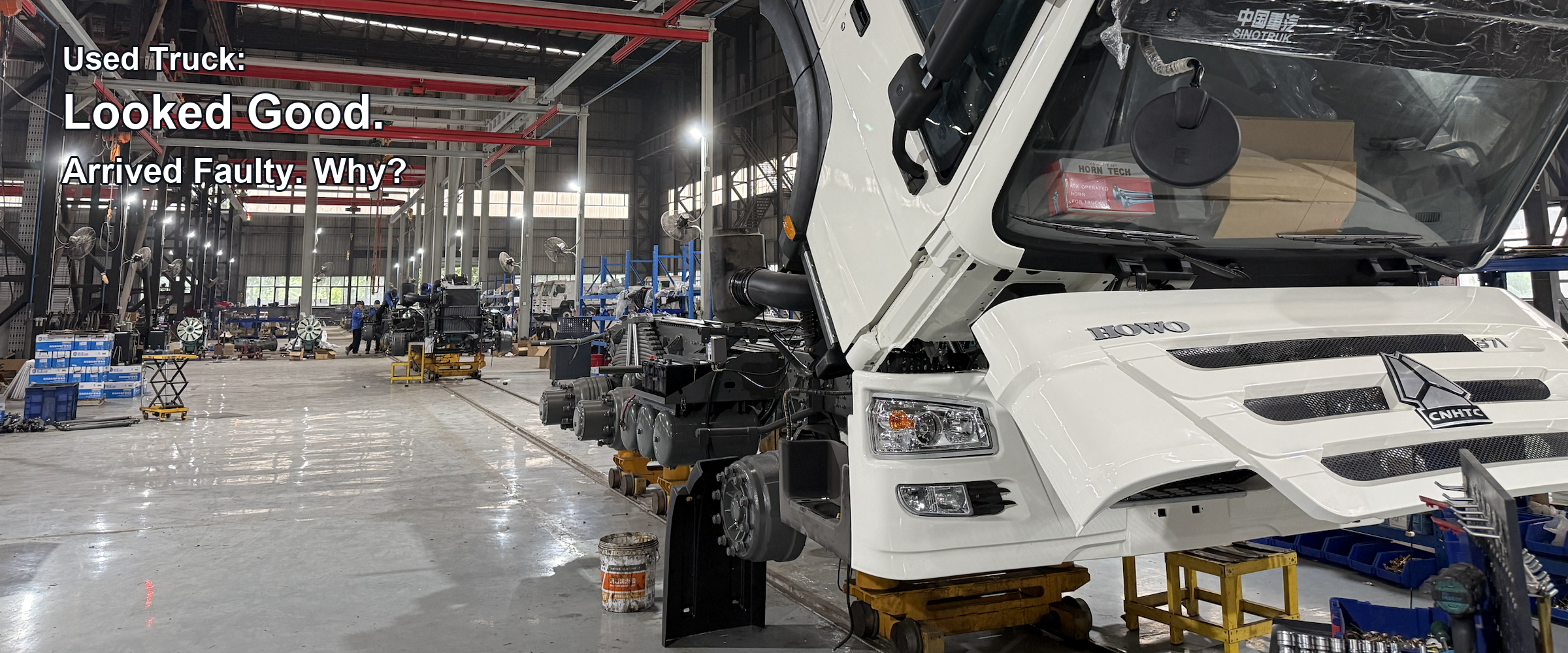
Why refurbished heavy-duty trucks may develop mechanical problems after delivery, and how international buyers can reduce purchasing risks before shipment.
Introduction: A Real Concern from a Customer in Mozambique
Buying refurbished heavy-duty trucks from China is an option for many transport companies, construction contractors, and truck dealers across Africa.
However, one concern remains particularly important: How can buyers verify the quality of a refurbished truck before it arrives in their country?
Recently, a potential customer from Mozambique raised this question during a conversation with Langchi Carl. He explained that some of his friends had imported refurbished trucks from China, only to discover numerous mechanical problems after the vehicles arrived in Mozambique. He wanted to know how a supplier could prevent the same situation from happening again.
Real Customer Conversation — Mozambique

Figure 1. An actual WhatsApp conversation in which a customer from Mozambique raises concerns about mechanical problems reported after refurbished trucks were imported from China. The screenshot includes the original Portuguese message and its English translation.
This concern highlights an important issue in the international used truck market. A truck may look excellent before shipment, but its appearance alone cannot prove its mechanical condition.
No supplier can guarantee that a used truck will never develop a mechanical fault. However, clear refurbishment standards, mechanical inspections, and pre-shipment verification can help reduce avoidable purchasing risks.
1. Why Can a Refurbished Truck Look Good but Still Have Mechanical Problems?
Because cosmetic refurbishment and mechanical refurbishment are not the same thing.
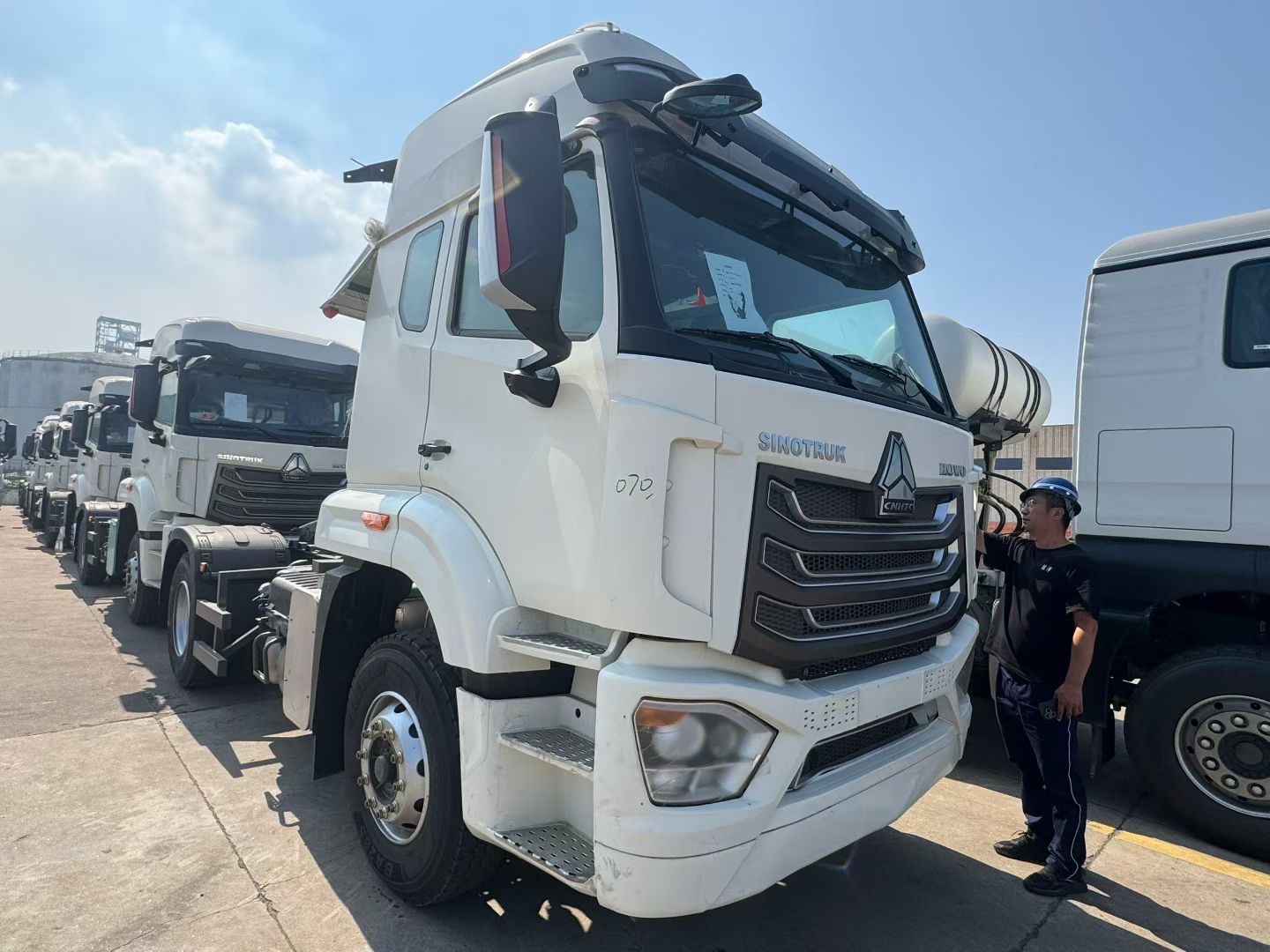
A truck may receive fresh paint, a refurbished cab, new interior components, and new tyres. These improvements can make an older vehicle look significantly newer.
However, a clean exterior does not necessarily mean that the engine, gearbox, drive axles, chassis, and braking system are in good mechanical condition.
Different Suppliers Follow Different Refurbishment Standards
One important consideration is that the term refurbished truck does not represent a single, universally applied technical standard. The actual refurbishment work can vary significantly between suppliers.
For example, one truck may receive mainly cosmetic improvements, while another may undergo more extensive mechanical inspections, repairs, and component replacements. Both vehicles may be described as refurbished trucks, even though the work performed on them is substantially different.
This is why buyers should ask suppliers to explain the actual refurbishment scope rather than relying on appearance or general descriptions.
The important question is not simply whether a truck has been refurbished, but what has actually been refurbished.
Hidden Mechanical Problems May Not Be Visible
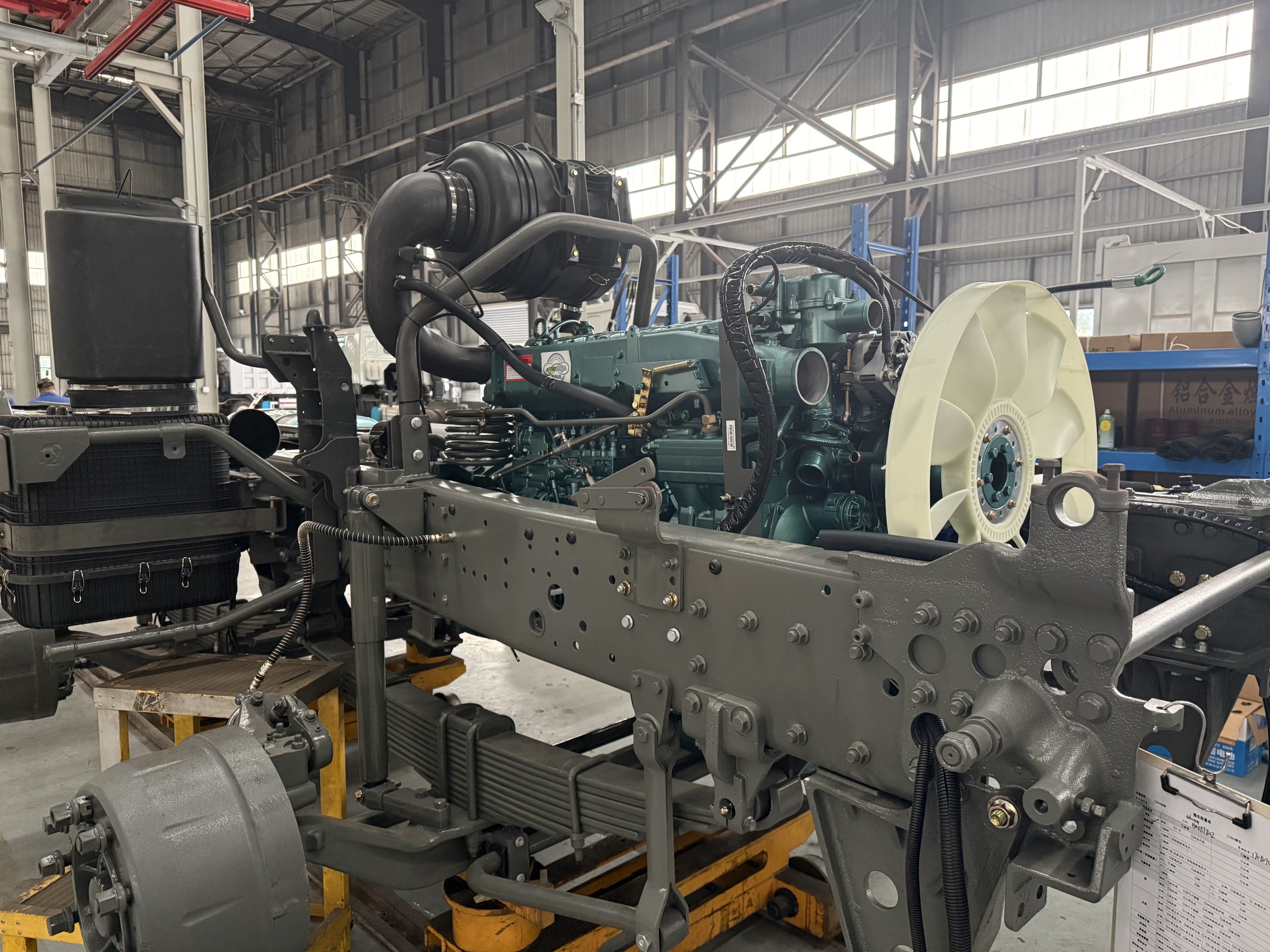
For heavy-duty trucks, several major components deserve particular attention:
- Engine: Running condition, abnormal noises, visible leaks, and signs of mechanical wear.
- Gearbox: Gear engagement, unusual noises, and operating condition.
- Drive axles: Visible leaks, abnormal noises, and accessible component condition.
- Chassis and suspension: Cracks, deformation, corrosion, and visible structural damage.
- Braking and steering systems: Component condition and available functional tests.
Some problems can be identified through visual inspections and operating tests. Others may require more detailed professional examination.
For example, a short video showing an engine starting successfully does not establish the condition of every internal engine component. Therefore, photographs and basic running videos should not be treated as complete evidence of mechanical quality.
2. How Can Suppliers Reduce the Risk of Mechanical Problems After Delivery?
For international buyers, the most effective approach is to establish a transparent refurbishment and inspection process before the truck leaves China.
A supplier’s quality claims should be supported by clear information about the vehicle, the work performed, and the inspections completed.
Step 1: Clearly Define the Refurbishment Scope
Before confirming an order, buyers should understand exactly what refurbishment work is included. Important questions include:
- Which mechanical components have been inspected?
- Which components have been repaired or refurbished?
- Which parts have been replaced?
- Which original components remain in the vehicle?
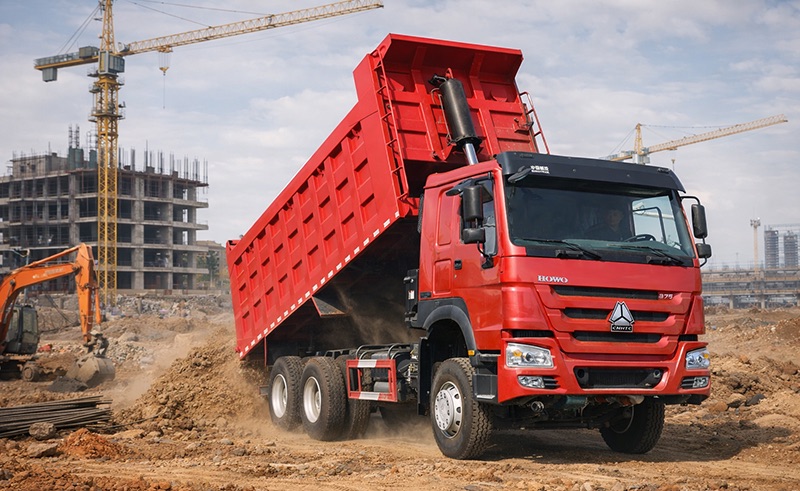
For example, two refurbished HOWO 6×4 dump trucks may look almost identical but have undergone different levels of mechanical refurbishment. These differences can affect their condition, pricing, and potential operating performance.
The agreed refurbishment scope should therefore be clearly documented before delivery.
Step 2: Inspect Major Mechanical Components
The engine, gearbox, drive axles, and chassis are essential to the operation of a heavy-duty truck. Depending on the vehicle’s actual condition and the agreed refurbishment standard, these components may require inspection, repair, refurbishment, or replacement.
Buyers should ask what work has been completed and what checks have been performed. They should not assume that every component has been fully rebuilt simply because the vehicle is described as refurbished.
Mechanical condition should be evaluated through actual inspection findings and completed refurbishment work, not exterior appearance alone.
Step 3: Arrange a Pre-Shipment Vehicle Inspection
Before shipment, buyers should have an opportunity to inspect the actual vehicle. For customers who cannot travel to China, photographs and video inspections can help them review:
- The exterior and interior of the truck.
- The engine compartment and accessible mechanical components.
- Engine starting and running conditions.
- The chassis, suspension, and drive axles.
- Dashboard readings and relevant functions.
- The chassis or frame number.
Buyers should also be able to request additional views or clarification when necessary. Video inspections cannot detect every hidden mechanical fault, but they can provide useful information about the vehicle’s visible condition and basic operation. Additional professional testing may be necessary for important mechanical concerns.
Step 4: Allow Factory Visits and Third-Party Inspections
For buyers purchasing refurbished trucks internationally, the ability to inspect vehicles independently is particularly valuable. A factory visit allows customers to examine the actual trucks, discuss technical requirements, and understand the refurbishment work being carried out.
At Langchi Carl, overseas customers are welcome to visit our truck refurbishment facility in Jinan, Shandong Province, China. We also welcome independent third-party inspections arranged by customers. The specific inspection scope should be agreed in advance.
Step 5: Verify the Vehicle Before Shipment
Before delivery, buyers should confirm that the truck matches the agreed specifications and vehicle information. The chassis or frame number is an important reference for verifying vehicle identity.
Buyers can compare the number shown on the actual truck with the relevant documents and retain photographs or video records. After delivery, these records can help confirm that the received vehicle corresponds to the truck inspected before shipment.
This does not guarantee mechanical condition, but it helps establish consistency between the inspected and delivered vehicle.
3. How Does Langchi Carl Help International Buyers Reduce Purchasing Risks?
Shandong Langchi Carl International Trade Co., Ltd. is based in Jinan, Shandong Province, China, and specializes in the international trade of heavy-duty trucks and engineering vehicles, including used and refurbished HOWO and SHACMAN trucks.
We work with overseas buyers to discuss vehicle specifications, actual condition, and refurbishment requirements before confirming an order. Depending on the vehicle and agreed inspection arrangements, customers can review photographs and videos, visit our refurbishment facility, or arrange independent third-party inspections.
Our goal is to help buyers understand the vehicle they are purchasing, the refurbishment work agreed upon, and the inspection arrangements available before shipment.
Conclusion: Refurbished Truck Quality Should Be Verified, Not Simply Promised
When a refurbished truck arrives in Africa with unexpected mechanical problems, the cause may involve its previous condition, incomplete refurbishment, undetected faults, or other factors. Without examining the specific vehicle, it is not possible to determine the exact cause.
For international buyers, the most practical way to reduce risk is to focus on what can be verified before shipment. Understand the truck’s actual condition, confirm the refurbishment scope, inspect major mechanical components, and retain clear vehicle inspection records.
No supplier can guarantee that a used truck will never experience mechanical problems. But transparent refurbishment information, clear inspection standards, and independent verification can help buyers make better-informed decisions and reduce avoidable risks.
Shandong Langchi Carl International Trade Co., Ltd.
Jinan, Shandong Province, China
Website: https://www.langchicarl.com
Email: info@langchicarl.com
Note: Vehicle condition, refurbishment scope, specifications, and inspection arrangements depend on the specific vehicle and the terms agreed upon by both parties.