How Can You Buy a Used Truck from China When You Cannot Inspect It in Person?
2026-10-17 10:55:35
Direct answer: Remote assessment is possible, but photos, videos or a sales description are not enough to complete a purchase decision. Verify the seller and contracting party, match every record to the exact truck, identify which mechanical conditions remain unconfirmed, and put the vehicle condition, inspection scope, trade term, delivery point and responsibilities in the quotation or contract before paying.
Overseas buyers often cannot visit a used heavy truck in China before making a decision. The sequence below separates what can be seen from what remains at risk before payment. It cannot prove that a particular truck has no faults.
1. Verify the seller and the exact vehicle
Ask for the seller’s legal company name, location, contact details, quotation issuer and payment recipient. The company information on the contract, invoice and bank account should align. Pause if you can only reach an individual account or if the payment recipient does not match the contracting party.
Ask for the truck’s model, model year, configuration, current mileage, location and available identifying information. Where appropriate, check the VIN, chassis number or stock reference; exchange sensitive identifiers privately rather than posting them publicly. A website, social-media profile or factory photo shows only what the seller has chosen to present. It does not by itself prove the seller’s legal identity, vehicle ownership or mechanical condition.
2. Make every document point to the same truck
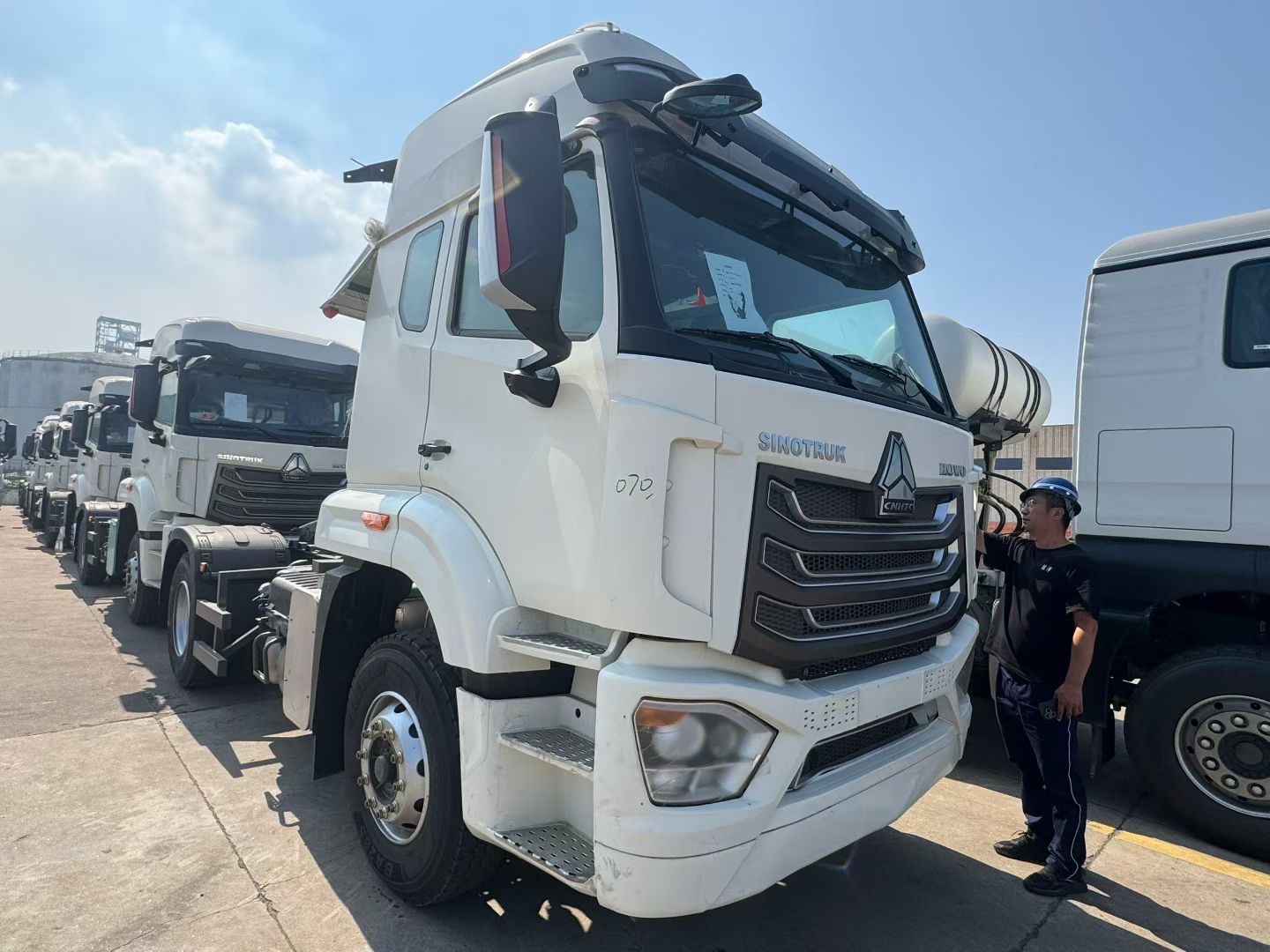
Request current photos, videos, the specification sheet, quotation and available refurbishment records for that unit. Compare the cab, body, chassis, axles, tyres and visible configuration in the media with the specification sheet and quotation. Check when the photos and videos were taken and whether they represent the vehicle’s current state.
If the model, configuration, mileage or appearance does not align across the documents, pause and ask the seller for written clarification. Edited photos may be useful, but they do not prove that every record belongs to the same truck.
3. Use live video to resolve visible questions
Instead of collecting a large set of promotional photos, write a short list of specific questions and request a live walk-around. Ask for close views of the cab, body, chassis, tyres, visible leaks and areas the seller says were refurbished. Follow the site’s safety requirements when engine starting, controls or hot and rotating components are involved.
If something cannot be shown or confirmed, record it as “not verified” rather than assuming it is either good or bad. Photos and video show only what is visible and audible at that moment. They cannot reveal every internal or intermittent mechanical fault, and they do not replace an inspection.
4. Break “refurbished” into verifiable items
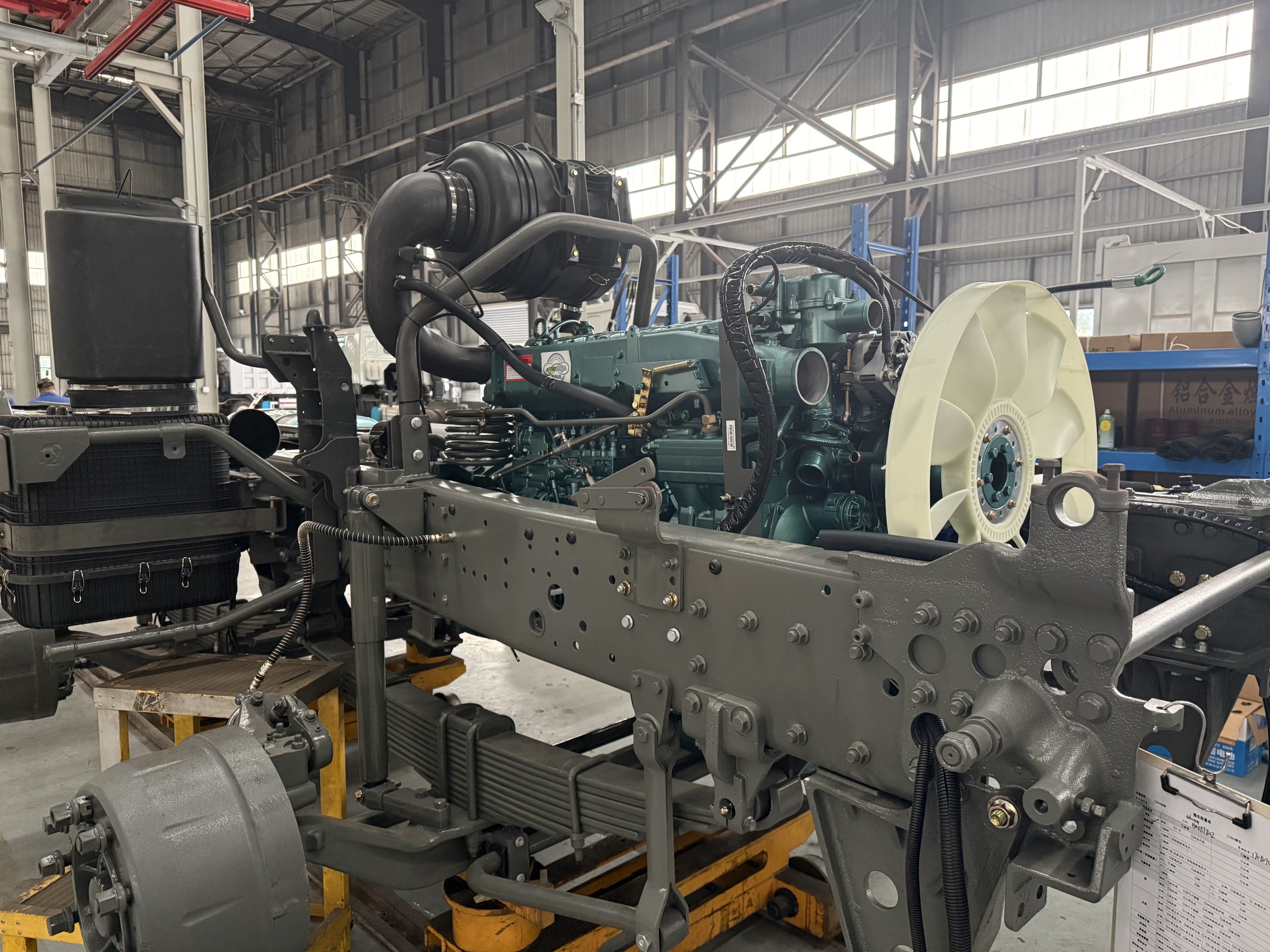
“Refurbished” does not have one universal scope shared by every seller. Ask what was inspected, repaired or replaced on that exact unit, what was left as-is, and which records can be linked to it. Do not assume that every truck described as refurbished received the same treatment.
Missing paperwork alone does not prove fraud. Inconsistent records or repeated avoidance of reasonable questions are reasons to pause the transaction.
5. Consider a buyer-appointed third-party inspection
For a significant purchase, you may appoint an independent inspector familiar with heavy commercial vehicles. Before the inspection, agree on access, scope, date, fees and report format. The report should identify the exact truck, state what was checked and found, and list anything that could not be tested.
Whether an inspection can be arranged, who may access the site and what can be inspected must be confirmed for the specific transaction. An independent report reduces uncertainty only within the agreed scope. It cannot guarantee that every fault will be found or that the truck will never need repairs. A factory visit is not a substitute for an inspection of the specific vehicle.
6. Put vehicle condition and transaction terms in writing
Before payment, record the agreed condition of the exact truck, known issues, inspection findings and all open questions, and keep the version you reviewed. Then check the quotation or contract for the trade term, named port or delivery point, price inclusions, payment schedule, export documents, transport, insurance, import clearance and each party’s responsibilities.
Do not assume a trade term or infer its scope from industry practice. What FOB, CIF or another arrangement includes depends on the specific quotation, contract and applicable Incoterms version. Unless the transaction expressly confirms them, do not assume that freight, destination customs clearance, duties and taxes, arrival delivery or after-sales support are included. Confirm local import requirements with the destination customs authority, a customs broker or another qualified professional.
Checks before payment
- Do the contract, quotation and payment recipient refer to the same party?
- Do all photos, videos and documents refer to the same truck?
- Which questions are verified, and which remain “not verified”?
- Is the refurbishment scope documented for this unit?
- Are the third-party inspection scope, fees and report requirements confirmed?
- Are the trade term, port, price inclusions and responsibilities written into the contract?
Frequently asked questions
Can video replace an inspection?
No. Video can confirm visible conditions and answer specific questions, but it cannot cover all internal, hidden or intermittent faults.
Must I buy a used truck from China on FOB terms?
No. The trade term depends on the specific quotation and contract. Check the named port, delivery point, price inclusions and responsibility for transport, insurance and customs clearance.
Does visiting a factory prove that a particular truck is in good condition?
No. A factory visit may show the seller’s operating environment, but it does not replace an inspection of the specific truck and does not constitute a quality or transaction guarantee.
Next step
Before paying, request the current records for the exact truck, its available refurbishment information, the inspection options that can be arranged and the complete transaction terms. Keep every unresolved item recorded as unverified until you have traceable written evidence.