

Product
Latest Products
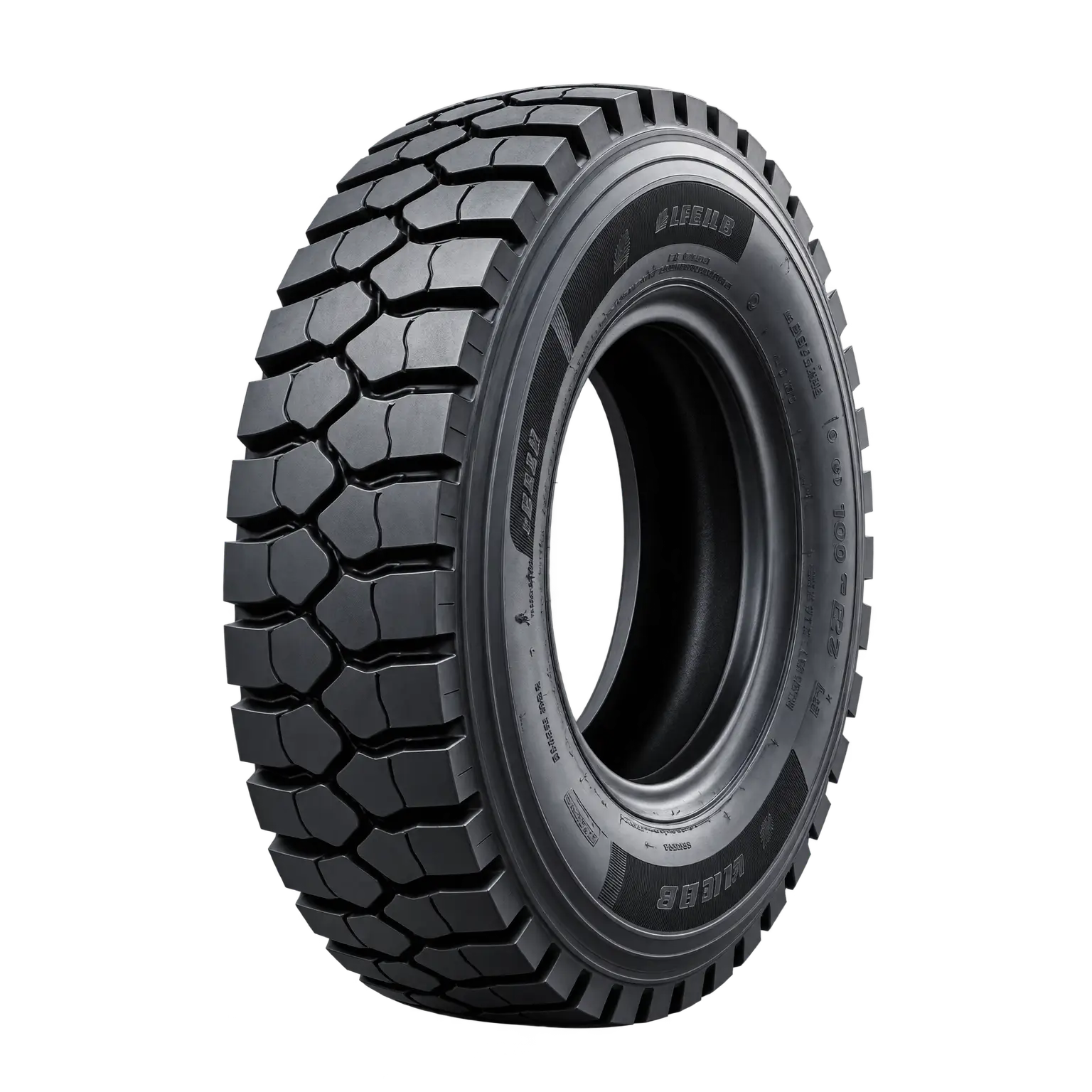
1200R20-20PR Fully Retreaded Heavy-Duty Radial Tire
This tire is an all-steel radial truck tire. The steel cords in the carcass are arranged radially along the tire (at 90°, perpendicular to the bead). The steel cords in the belt layers are wrapped around the circumference at a low angle to form a rigid belt. Unlike traditional bias-ply tires, this structure provides high strength, low heat generation, and heavy-load durability.
Product Specification
Product Name: 1200R20 20PR Reinforced Fully Retreaded Blowout-Resistant Heavy-Duty Radial Tire
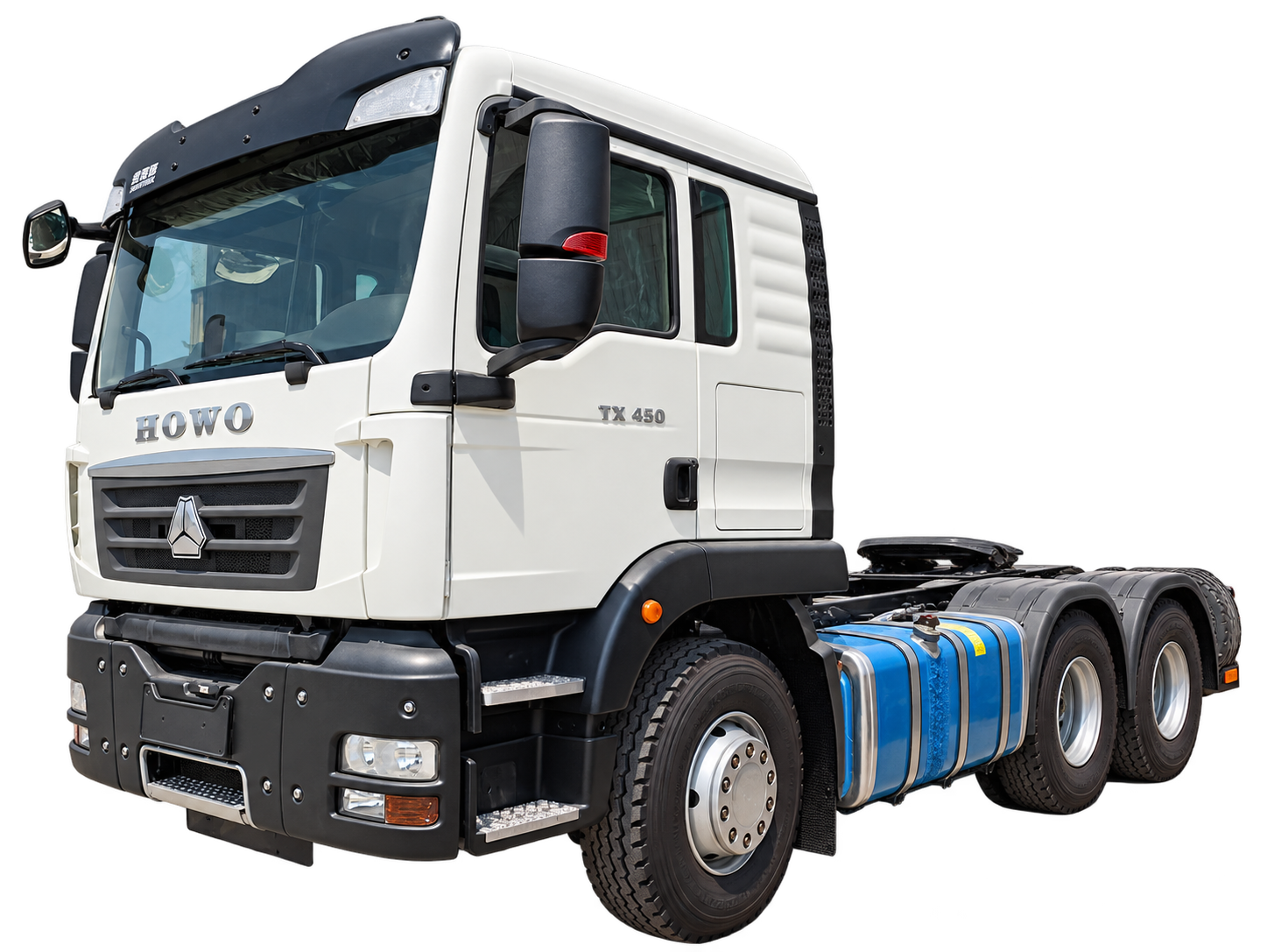
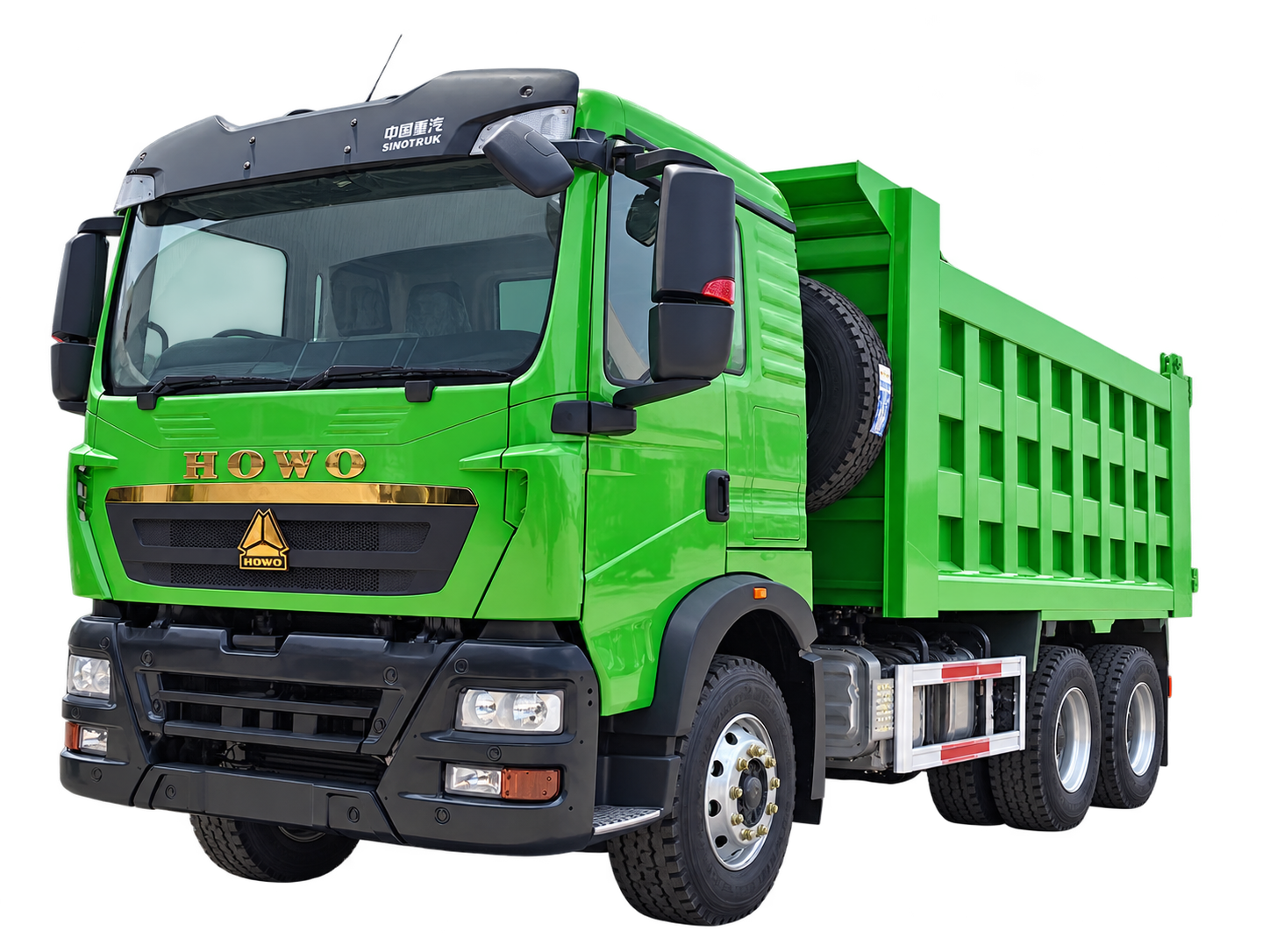
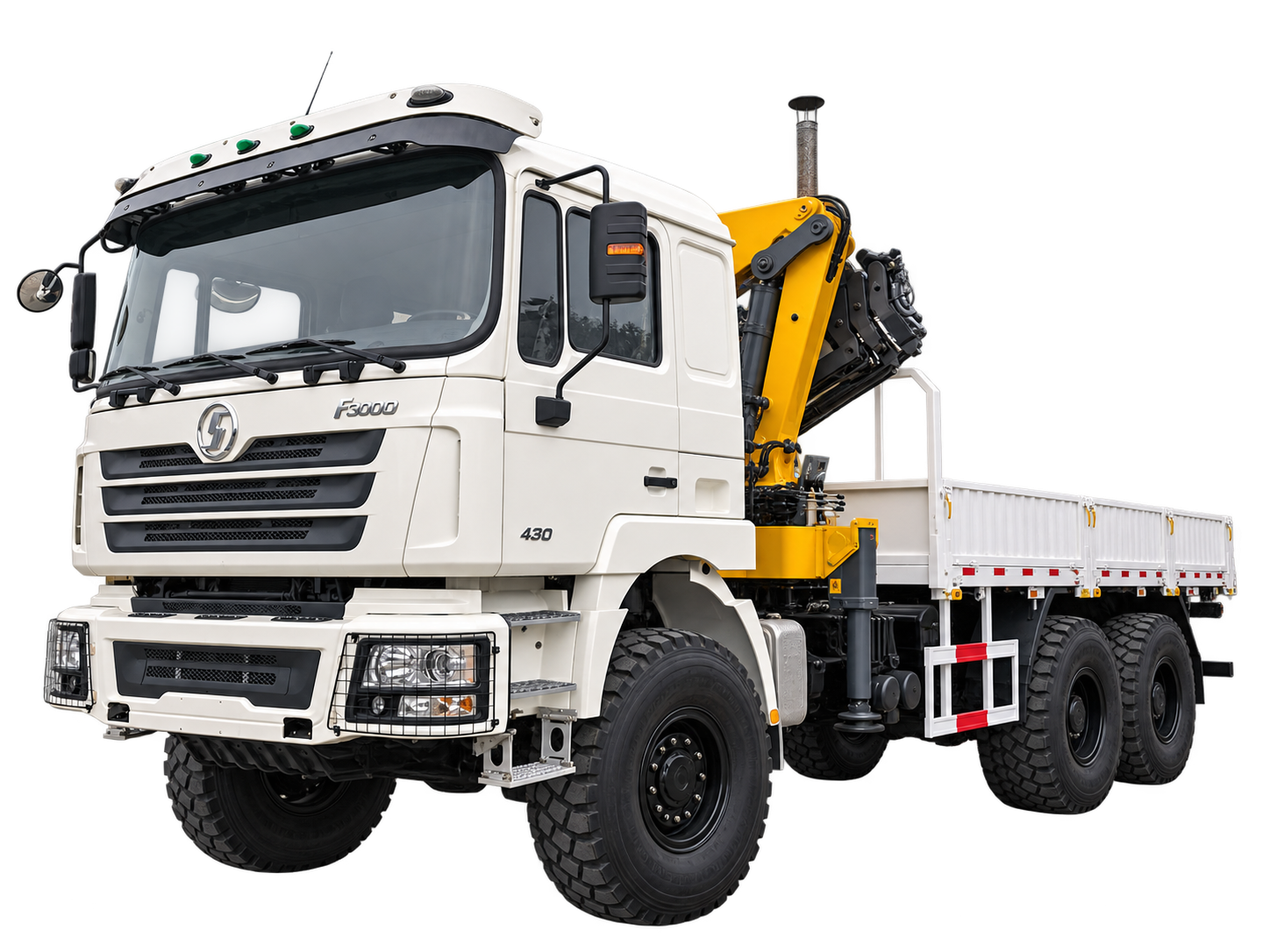
Applicable Vehicles: Engineering and Freight Vehicles
Technical Parameters
| Item | Technical Specification |
|---|---|
| Tire Size | 1200R20 |
| Ply Rating | 20PR |
| Tread Width | Approx. 250 mm |
| Rim Size | 20 |
| Tire Outer Diameter | Approx. 1150 mm |
| Tread Pattern | Deep Block Pattern |
Wear Resistance
Wear Index: 135 (Chinese national standard benchmark: 100); deepened tread with a depth of 25 mm and an optimized rubber compound for improved wear resistance.
Wear resistance is 35% better than ordinary tires of the same specification, making the tire suitable for harsh road conditions.
Puncture Resistance
The tread base adopts a thickened design with multiple layers of steel belts for protection. Resistance to punctures from nails and gravel is improved by 40%. A thickened puncture-resistant cushioning rubber layer is added to the sidewall to reduce the risk of cuts caused by road shoulders and gravel.
Core Blowout-Resistant Features
The sidewall adopts a reinforced blowout-resistant structure with high-modulus thickened sidewall support rubber, which is a heavy-load reinforcement technology.
Structure
1200R20-20PR Fully Retreaded Radial Steel Tire
1. Overall Steel Radial Structure Description
This tire is an all-steel radial truck tire. The steel cords in the carcass are arranged radially along the tire (at 90°, perpendicular to the bead). The steel cords in the belt layers are wrapped around the circumference at a low angle to form a rigid belt. Unlike traditional bias-ply tires, this structure provides high strength, low heat generation, and heavy-load durability.
Structural Composition of Each Layer (from inside to outside)
Carcass Ply (Radial Carcass)
Number of layers: 1 layer of high-strength steel cord fabric (all-steel radial structure).
Cord arrangement: Radially arranged at 90°. The load is distributed along the radial direction of the tire, allowing uniform carcass deformation under heavy loads, improving flex resistance, and reducing cracking caused by repeated compression.
Bead area: The steel cords are turned up and reinforced, extending to the middle and upper sidewall area. Combined with blowout-resistant support rubber, this improves the sidewall's resistance to compression.
Compared with bias-ply tires: Bias-ply tires use multiple crossed fabric layers, which generate more heat and are more prone to aging. A radial tire uses a single-layer steel carcass, resulting in less deformation, better heat dissipation, and significantly improved durability.
Belt System (4 Steel Belt Layers)
Layers 1 and 2: High-elongation steel cord fabric cushions impacts and absorbs shocks caused by gravel and uneven road surfaces.
Layers 3 and 4: High-modulus, low-angle steel layers (approximately 18–22° around the circumference) rigidly secure the tread.
Function: Restrains tread deformation, maintains a stable contact area with the ground, and improves puncture resistance and wear resistance. It also suppresses tread warping under heavy loads, reduces tread block chipping, and improves durability.
Tread Rubber Layer
Upper tread layer: High-wear-resistant and cut-resistant rubber compound with large, deep tread blocks to resist cutting and wear caused by gravel.
Tread base rubber: Low-heat-generation cushioning rubber that isolates impacts, protects the steel belt layers, and prevents hard objects from directly striking the steel cords and causing wire breakage.
Advantages of All-Steel Material
Steel cords have much higher strength than textile cords, providing strong tensile and impact resistance.
The 20PR high-ply-rating design is suitable for high-tonnage heavy loads and complex, harsh road conditions.
Technical Precautions for Use
Blowout-resistant does not mean the tire will never blow out. Impact with sharp, hard objects, severe overloading, or prolonged operation with insufficient tire pressure can still cause tire blowouts and damage. Continued heavy-load, long-distance driving is prohibited under such conditions.
Strictly follow the specified inflation pressure standards, regularly inspect the sidewalls for impact damage or bulges, and perform regular tire pressure checks.
accessories
Tell us your needs. We'll be in touch.
Related Products
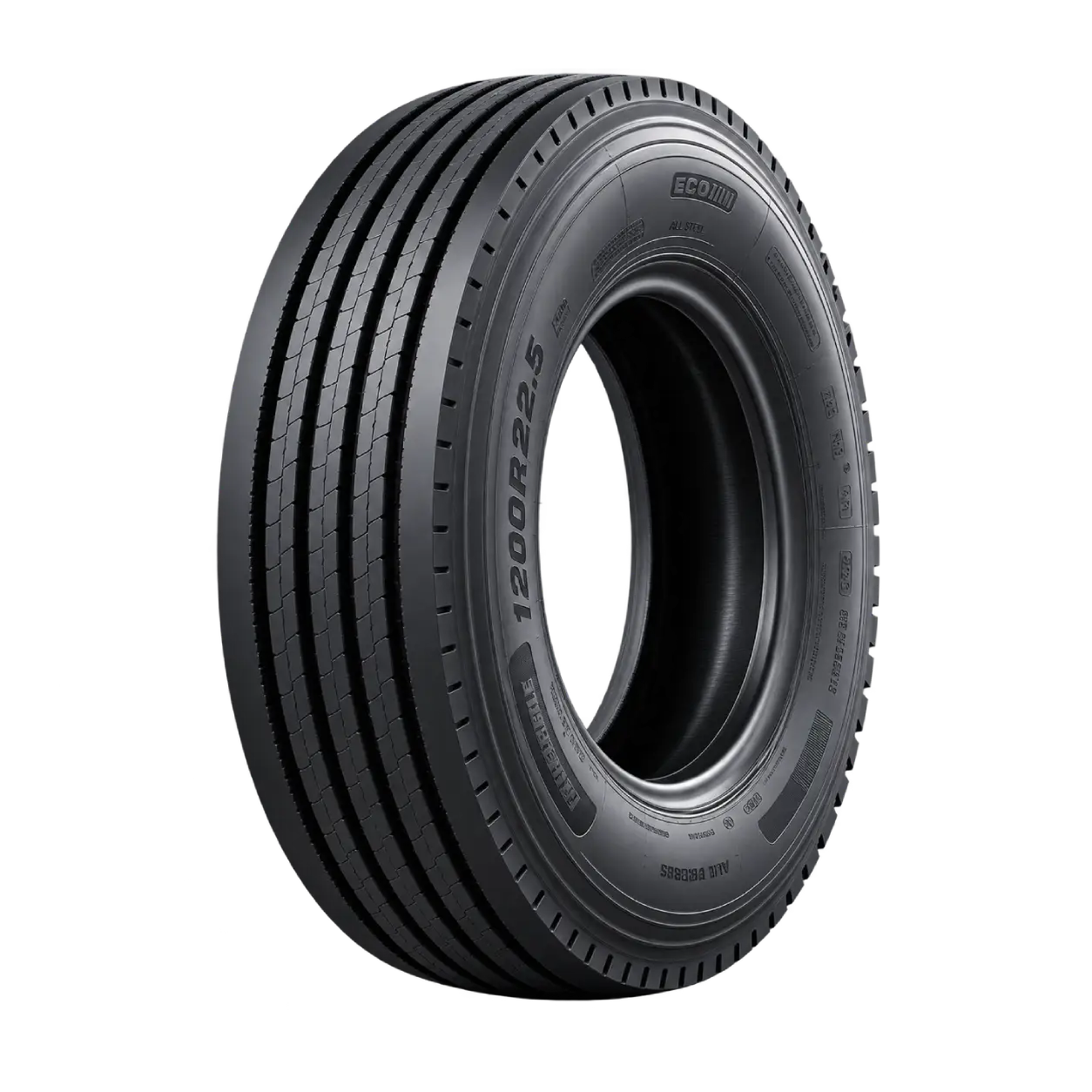
1200R22.5 20PR Fully Retreaded Standard-Load Heavy-Duty Radial Tire
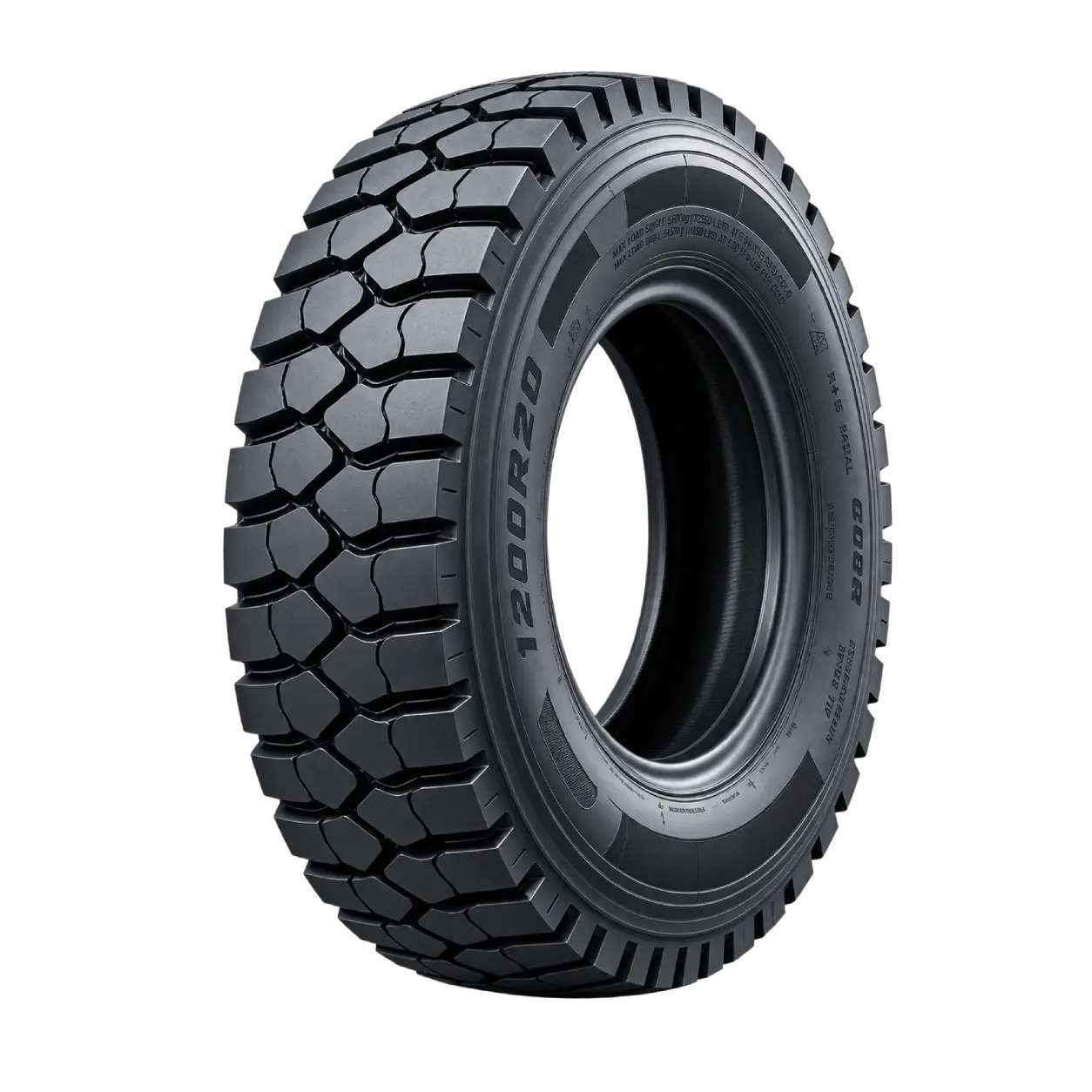
1200R20 20PR Fully Retreaded Heavy-Duty Radial Tire
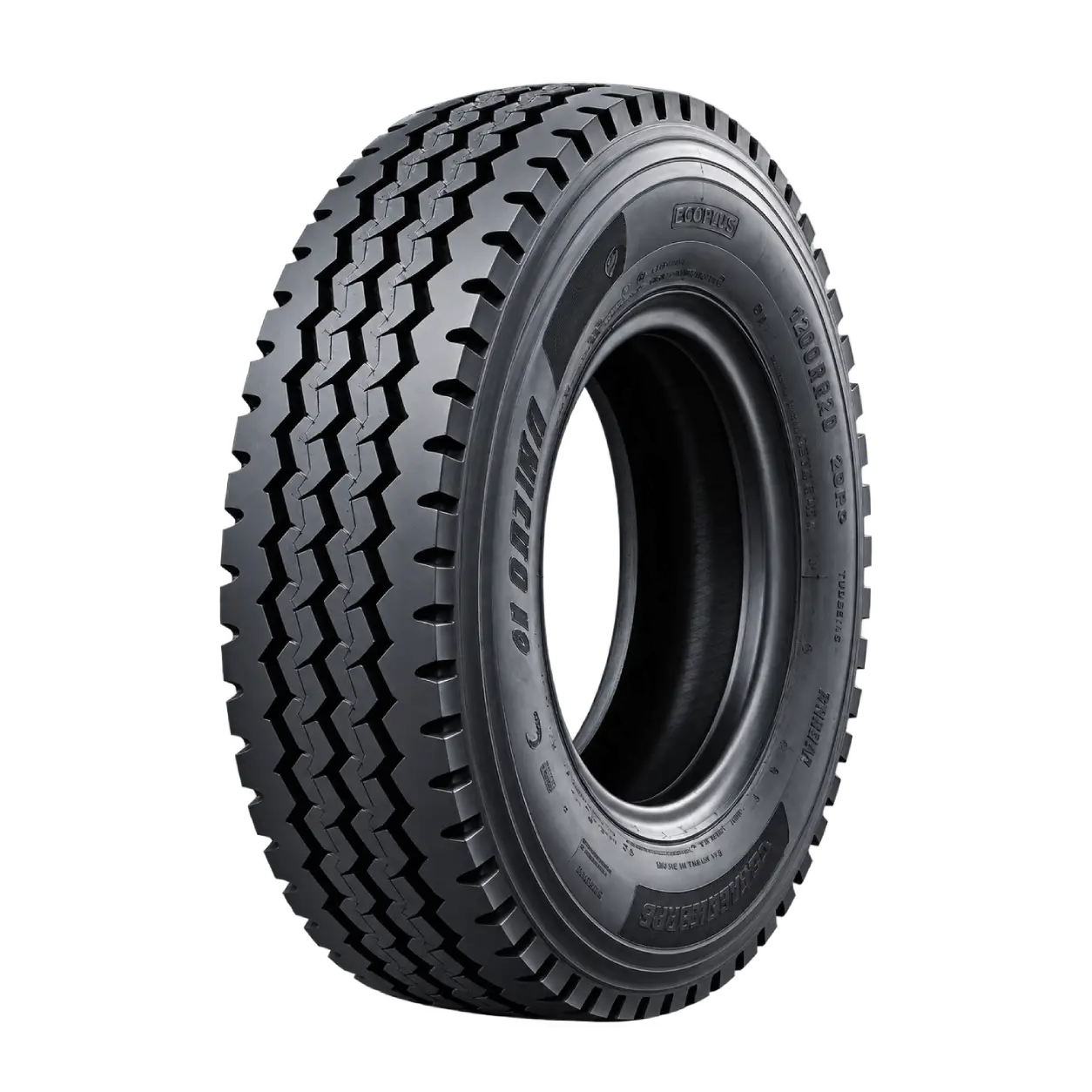
1200R20 20PR Standard-Load Ordinary Retreaded Heavy-Duty Radial Tire